Sympathy Gift Money: How to Give Thoughtfully
When Money Is the Right Sympathy Gift
Money is often the most useful sympathy gift a family receives. Grieving households face real costs: funeral expenses, travel, flowers, meals, probate fees. Cash removes the burden of choice and returns the gift quickly to the person who needs it most.
Monetary gifts work best when:
- The family is grieving a sudden loss
- You have no close relationship to the deceased
- The bereaved lives far away and personalization is difficult
- The family has already announced their preferences
Money feels impersonal only if it's anonymous or unsigned. A handwritten note—naming the person you're remembering and offering your presence—transforms cash into an act of witness.
How to Give Money as a Sympathy Gift
The method matters. Cash in an envelope risks being misplaced or disrespected. A personal check or bank transfer is traceable, clear, and leaves a paper trail of your generosity.
Steps to give money respectfully:
- Write a check or arrange a bank transfer
- Include your full name and date on all gifts
- Enclose a handwritten card naming the person who died
- Avoid phrases like "at least they're in a better place"
- Keep the note short and genuine: "Thinking of you both. I'm here if you need anything."
Amounts vary by relationship. For a colleague, $20–50 is typical. For family or close friends, $50–200 is common. For employer or large group gifts, contributions often combine. There's no "correct" amount—what matters is that you show up.
Never give money as a sympathy gift during the funeral service itself. Deliver it beforehand or send it to the home within a week of the death notice.
Combining Money with a Keepsake Gift
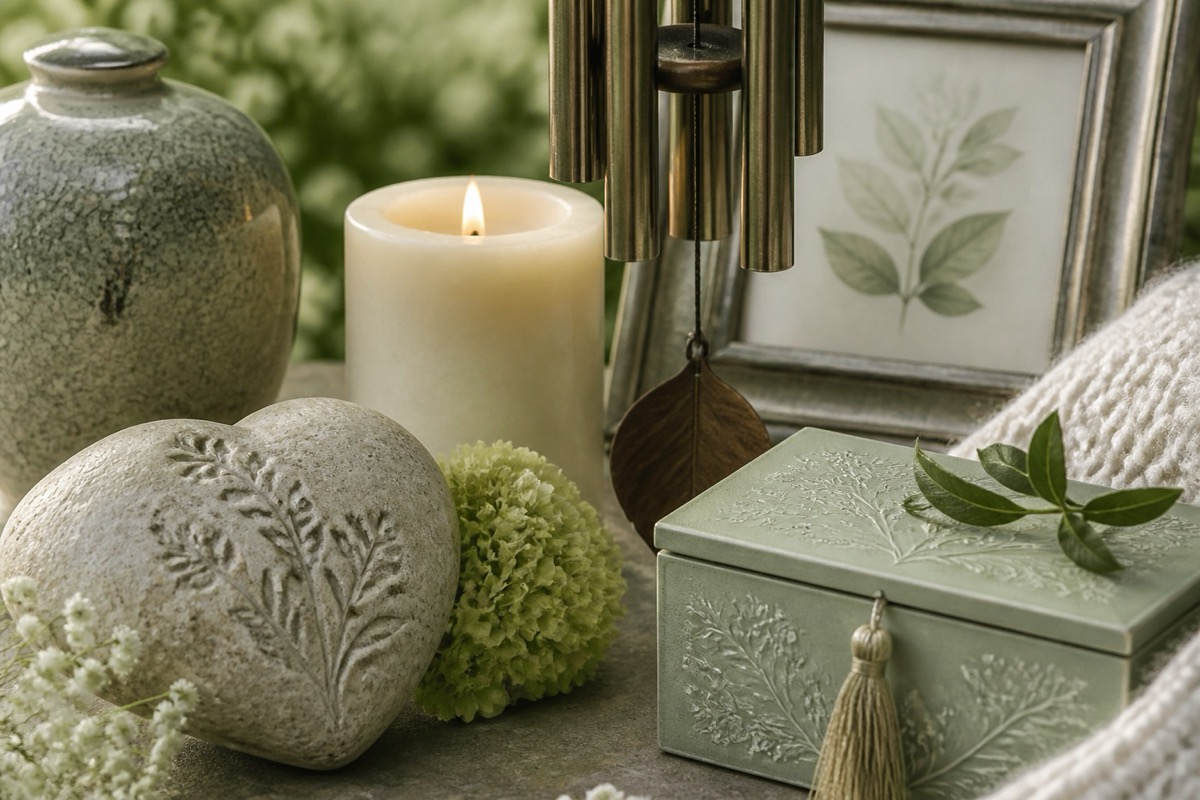
Many grieving families remember who brought food, flowers, or a meaningful object more than the dollar amount of cash. Pairing money with a physical memorial creates a dual gift: immediate practical support and lasting remembrance.
Consider combining cash with:
- Engraved keepsakes (jewelry boxes, plaques, urns) personalized with the person's name or a meaningful date
- Memorial candles to light on birthdays or anniversaries
- Wind chimes for gardens or porches—a living reminder that moves and sounds
- Memorial ornaments for year-round or seasonal display
- Remembrance jewelry (rings, bracelets, pendants) to carry the person close
These gifts cost significantly less than large cash amounts but hold emotional weight far longer. An engraved keepsake box holds the money and becomes a vessel for memories—letters, photos, small tokens.
Sympathy Money Etiquette for Different Situations
| Situation | Appropriate Gift | Why It Works |
|---|---|---|
| Sudden death; family overwhelmed | Cash or check | Immediate, practical relief |
| Distant colleague or acquaintance | $25–50 check | Respectful; keeps boundaries clear |
| Close friend; family known to personalize homes | Money + candle or memorial stone | Honors both practical need and lasting memory |
| Pet loss | Smaller cash gift + pet memorial keepsake | Acknowledges grief; meaningful alternative |
| Loss of parent | Check + engraved keepsake | Supports grief; creates lasting tribute |
Cultural and religious differences matter. In some traditions, money is offered at the service. In others, gifts come before or after. If unsure, ask the family directly or follow the lead of those closest to the deceased.
Why Some Families Prefer Keepsakes Over Money
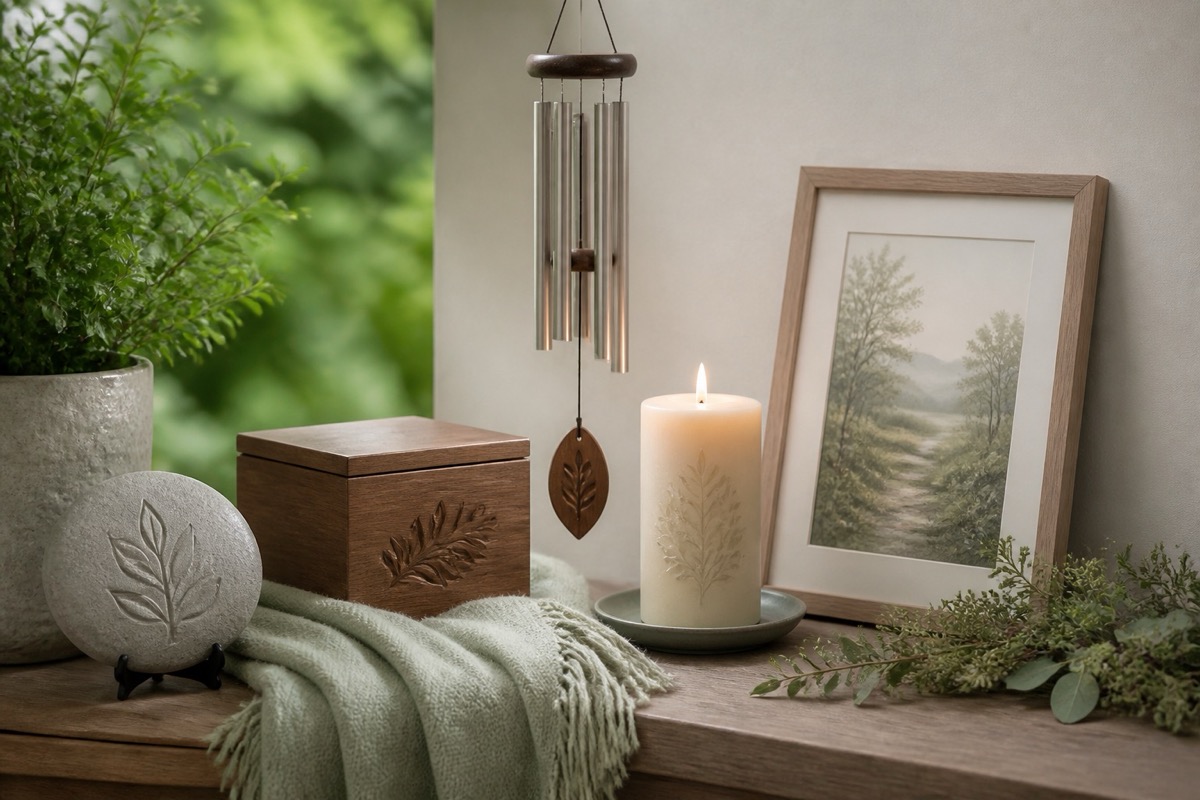
Not every family is comfortable receiving cash. Some find it impersonal or emotionally empty. Others worry about accountability or feel awkward keeping it. A keepsake serves a different purpose: it transforms the relationship between the giver and the grieving into something tangible.
Families choose keepsakes when:
- They want to display something that honors the person visibly
- They need a ritual object—something to hold, light, or visit
- They're building a small memorial space at home
- They prefer to remember the giver through the gift itself
Keepsake Grove creates keepsakes made to order: engraved boxes, personalized cremation jewelry, printed star maps (showing the sky on the date of death), lanterns, and more. Each piece is proofed before production (2–5 business days) and arrives ready to offer comfort or display.
Thoughtful Money-Plus-Gift Messaging
If you send money, include a brief, honest note. Avoid empty platitudes. Honor the person's name and the giver's real connection.
Good: "I'm thinking of you during this time. I've enclosed $50 to help with anything you need. Your mother was kind to me, and I'll remember her laugh."
Better to avoid:
- "Everything happens for a reason"
- "At least they're in a better place"
- "I know how you feel"
- Unanswered questions ("Why did this happen?")
A handwritten card, even one line long, is always more powerful than a generic note. Pair it with a memorial candle or engraved keepsake, and you've given both support and remembrance.
What to Check Before You Buy (or Send Money)
If sending cash or check:
- Verify the family's mailing address (funeral home or home)
- Include your full name so they know who to thank
- Send within a week of the death notice
- Avoid combining money with perishable goods unless the family requests meals
If ordering a keepsake to pair with money:
- Confirm spelling of the person's name and middle initials
- Double-check dates (birth, death, or meaningful anniversary)
- Choose size carefully (ring sizing, plaque dimensions, candle jar height)
- Allow 2–5 business days for production plus 2–5 days for US delivery
- Request proof before printing or engraving
- Consider adding a handwritten card (offered at checkout)
See our personalization guide for full details on custom engraving, font choices, and proof review.
---
Frequently asked questions
Is it appropriate to give only money as a sympathy gift?
Yes. Money is respectful, practical, and appreciated. Include a heartfelt handwritten note naming the person who died, and send it before the funeral or within a week after.
How much money should I give?
Amount depends on your relationship. Colleagues: $20–50. Friends: $50–150. Family: $100+. Cultural and regional norms vary. There's no "right" amount—consistency with your relationship is what matters.
Should I give cash or a check?
A check is clearer and safer. Enclose it in a sealed envelope inside a card with your name. If mailing, use registered mail. Never hand cash during the funeral service.
Can I give money as a memorial gift years after the death?
Yes. Money given on anniversaries, birthdays, or holidays is meaningful. Pair it with a card acknowledging the specific person and date to make it more personal.
When should I choose a keepsake instead of money?
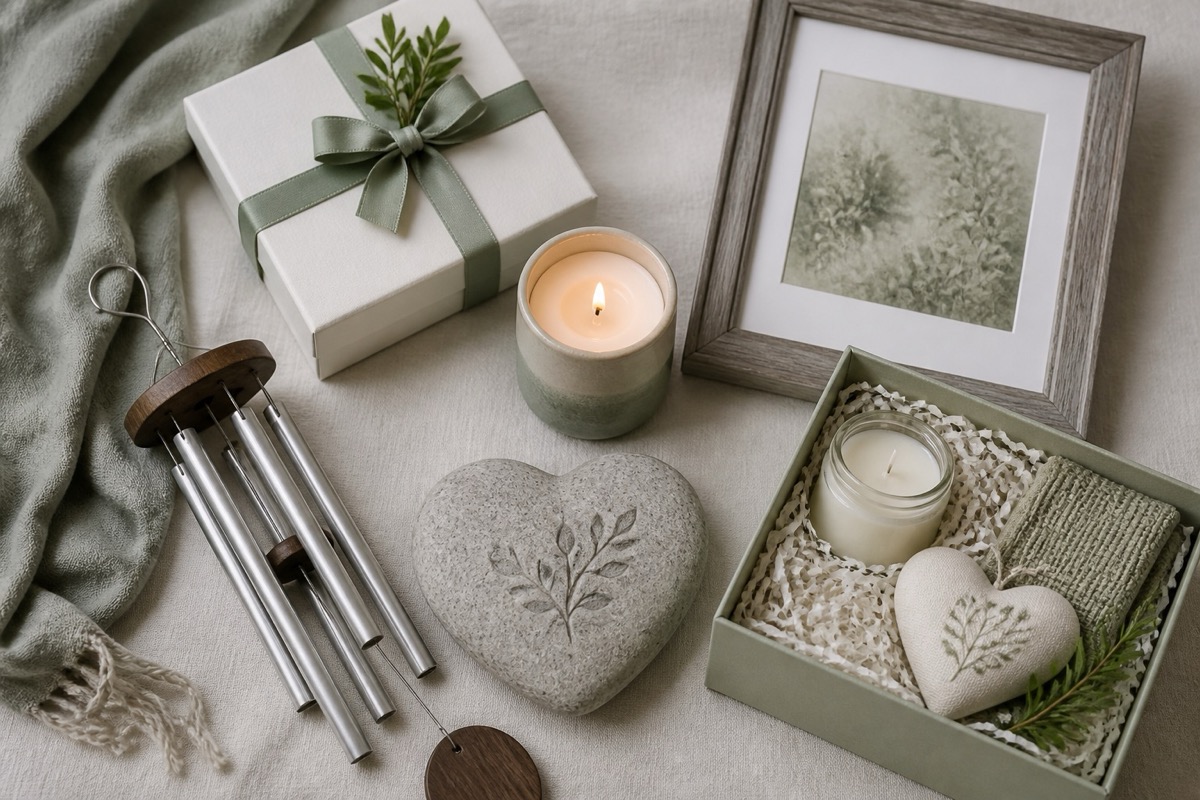
Choose a keepsake when the family wants something to display or use regularly (candle, wind chime, jewelry box). Combine both if you want to offer practical support and lasting remembrance. See our memorial gift collections for options.
Does Keepsake Grove offer digital gift cards for sympathy giving?
See our FAQ for current gift options, or contact us about delivery timing and personalization on all sympathy and memorial gifts.